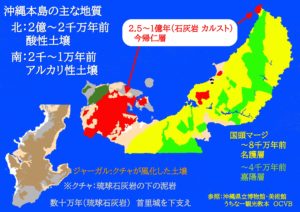
沖縄本島の北部は大部分が数千万年前の変成岩が風化した国頭マージを主とした酸性土壌ですが、古生代の石灰岩(図中の赤色)が点在しています。島の南部は泥岩や砂岩が隆起し風化したアルカリ性の島尻マージを主として、所々に琉球石灰岩の土壌と沖積層が点在しています。島内では、土壌の違いで植物や農産物の特徴がことなります。
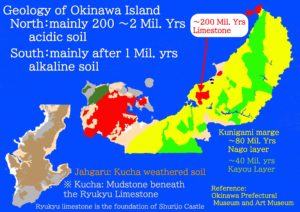
The northern part of Okinawa Island is shaped by acidic soils formed from metamorphic rocks that have weathered over tens of millions of years, with small pockets of Paleozoic limestone appearing here and there.
In the south, the land rises from uplifted mudstone and sandstone, creating the alkaline Shimajiri maaji, interwoven with patches of Ryukyu limestone and young alluvial soils.
These contrasts in the earth beneath us give each region its own character, influencing the plants that grow there and the flavors of the crops they produce.


ヒカゲヘゴは、やんばるの森を象徴する植物のひとつです。
ヤシの木のように見えますが、実はシダの仲間で、幹の先に大きな葉を広げます。
葉は1回羽状複生で、細かく分かれた美しい形をしています。
やんばるにはよく似たクロヘゴも見られ、幹の色や質感などに違いがあります。
ヒカゲヘゴは約1億年以上前、恐竜の時代から続く古い植物で、湿った谷や沢沿いなどに生育します。
幹は古い葉の痕が積み重なってできており、その模様は長い年月を感じさせます。
また、新芽(若い巻いた葉)は食べることができることで知られていますが、
自然保護の観点から、やんばるでは採取せず観察することが大切です。
森の中でヒカゲヘゴに出会うと、まるで太古の森に入り込んだような感覚になります。
やんばるの自然の奥深さと時間の流れを静かに伝えてくれる存在です。
Tree Fern (Cyathea lepifera) is one of the most iconic plants of Yanbaru’s forests.
Although it looks like a palm tree, it is actually a fern, with a tall trunk topped by large fronds.
Its leaves are once-pinnate compound fronds, finely divided into many leaflets.
In Yanbaru, you can also find a similar species called Kuro-hego (Cyathea), which differs in trunk color and texture.
This plant belongs to an ancient lineage dating back over 100 million years, to the age of dinosaurs, and grows in humid valleys and along streams.
Its trunk is formed by layers of old leaf bases, creating a distinctive pattern that reflects long periods of growth.
The young curled shoots (fiddleheads) are edible, but in Yanbaru, it is important to leave them untouched to protect the natural environment.
Encountering a tree fern in the forest feels like stepping into a prehistoric world.
It quietly tells the story of Yanbaru’s deep history and rich ecosystem.
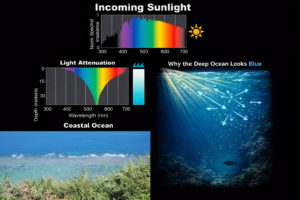
沖縄の海辺の色彩
水は「赤い光」をよく吸収する
太陽光には、青・緑・赤などさまざまな色(波長)が含まれています。水は、波長の長い光(赤)ほどよく吸収し、波長の短い光(青・緑)は吸収されにくい性質があります。沖縄の海は、多くが水深1〜2m程度の浅い海です。
海底には、サンゴ由来の白い砂が広がっています。この白い砂が太陽光を反射し、水の中をもう一度通ることで、赤が減り青+緑の光エメラルドグリーンが強調されます。沖縄の透明な海水と強い日差しで鮮やかなエメラルドグリーンが目に飛び込んできます。直物は、光合成のため青色と赤色を吸収するので、直物の緑とは色彩が違います。リーフ沖の深場では、透明度の高い海水中で散乱された光が海面から出てきます。散乱しやすいのは、波長の短い青色なので青く見えます。沖縄の強い日光のため明るいマリーンブルーが鮮やかです。
Why Okinawa’s Coastline Glows with Color
Sunlight contains many wavelengths—blue, green, red, and more.
Water absorbs long wavelengths like red very easily, while shorter wavelengths such as blue and green pass through more readily.
Much of Okinawa’s shoreline is only one to two meters deep, with bright white sand made from coral fragments. Sunlight reflects off this pale seabed and travels back through the water, losing even more of its red light. What reaches our eyes is a vivid blend of blue and green, creating the familiar emerald glow.
Plants absorb blue and red light for photosynthesis, so the green of leaves is a different kind of green from what we see in the sea.
Farther beyond the reef, where the water becomes deeper, the light that returns to the surface is shaped by scattering in the clear water. Short wavelengths scatter the most, so the ocean appears a bright, luminous blue—especially under Okinawa’s strong sunlight.
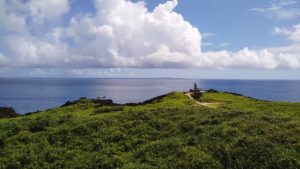
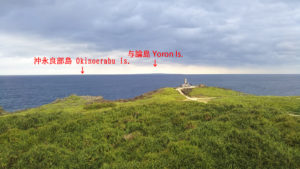
岬から見える沖永良部島 Okinoerabu Is.
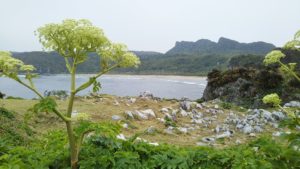
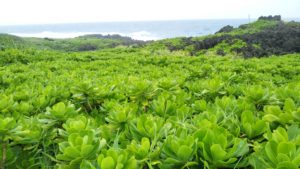
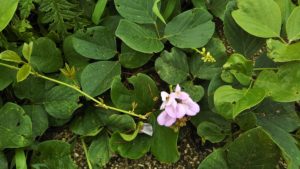
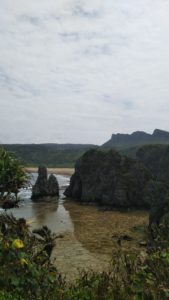
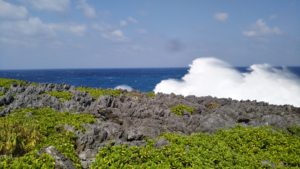
辺戸岬 台風接近 Typhoon approaching
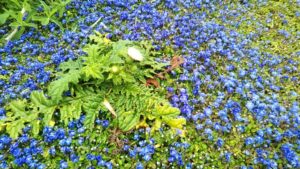
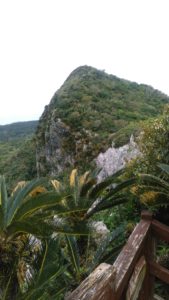
大石林山から安須杜 From Daisekinzan to Ashimui
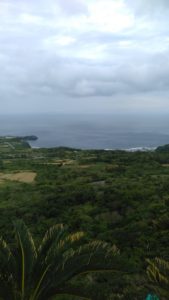
大石林山 太平洋方向 Daisekirinzan to Pacific Ocean



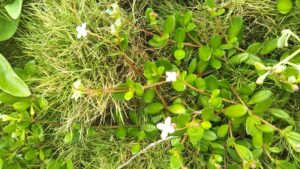
コウラオシバの上のソナレムグラ
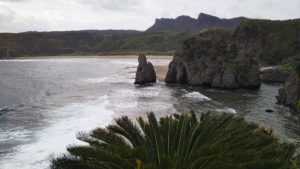
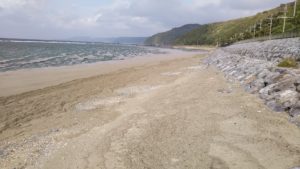
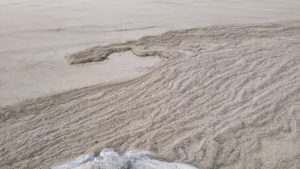
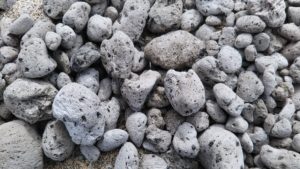
2021 10 23 小笠原から流れ着いた軽石 宇座浜の色が変わった